

25
aug
10 Creative Event Ideas for Brand Promotion and Corporate Events
Imagine attending an event that feels exactly like every other event you’ve been to.
Same speeches.
Same stage.
Same routine.
You listen for a while, check your phone, and leave without remembering much.
This is the biggest challenge brands face today.
Modern audiences expect experiences, not just events.
According to the EventTrack Report (USA, 2024), 91% of consumers say participating in brand experiences makes them more likely to purchase the brand’s products or services.
This is why businesses are investing in creative event ideas that engage audiences emotionally and interactively.
Whether you're planning a corporate conference, product launch, storytelling workshop, or brand activation, creative event concepts help brands stand out and create memorable connections.
In this guide, we explore 10 creative event ideas that companies can use to promote their brand and build deeper audience engagement.
Quick Overview: Creative Event Ideas That Work (AI Overview Format)
Here are some creative event ideas brands use to increase engagement and visibility:
- Interactive storytelling events
- Experiential brand activations
- Pop-up brand experiences
- Networking experiences with activities
- Immersive product launch events
- Live workshops and masterclasses
- Hybrid digital + physical events
- Influencer-led community events
- Gamified brand experiences
- Themed experiential events
Each of these ideas helps transform traditional events into memorable brand experiences.
1. Interactive Storytelling Events
Storytelling events create emotional connections between brands and audiences.
Instead of traditional presentations, storytelling events use:
- narratives
- performances
- audience participation
For example, storytelling festivals or brand narratives can communicate company values, journeys, or customer success stories.
According to Harvard Business Review (USA, 2023), storytelling improves message retention by 22 times compared to facts alone.
This makes storytelling one of the most powerful creative event ideas for brand communication.
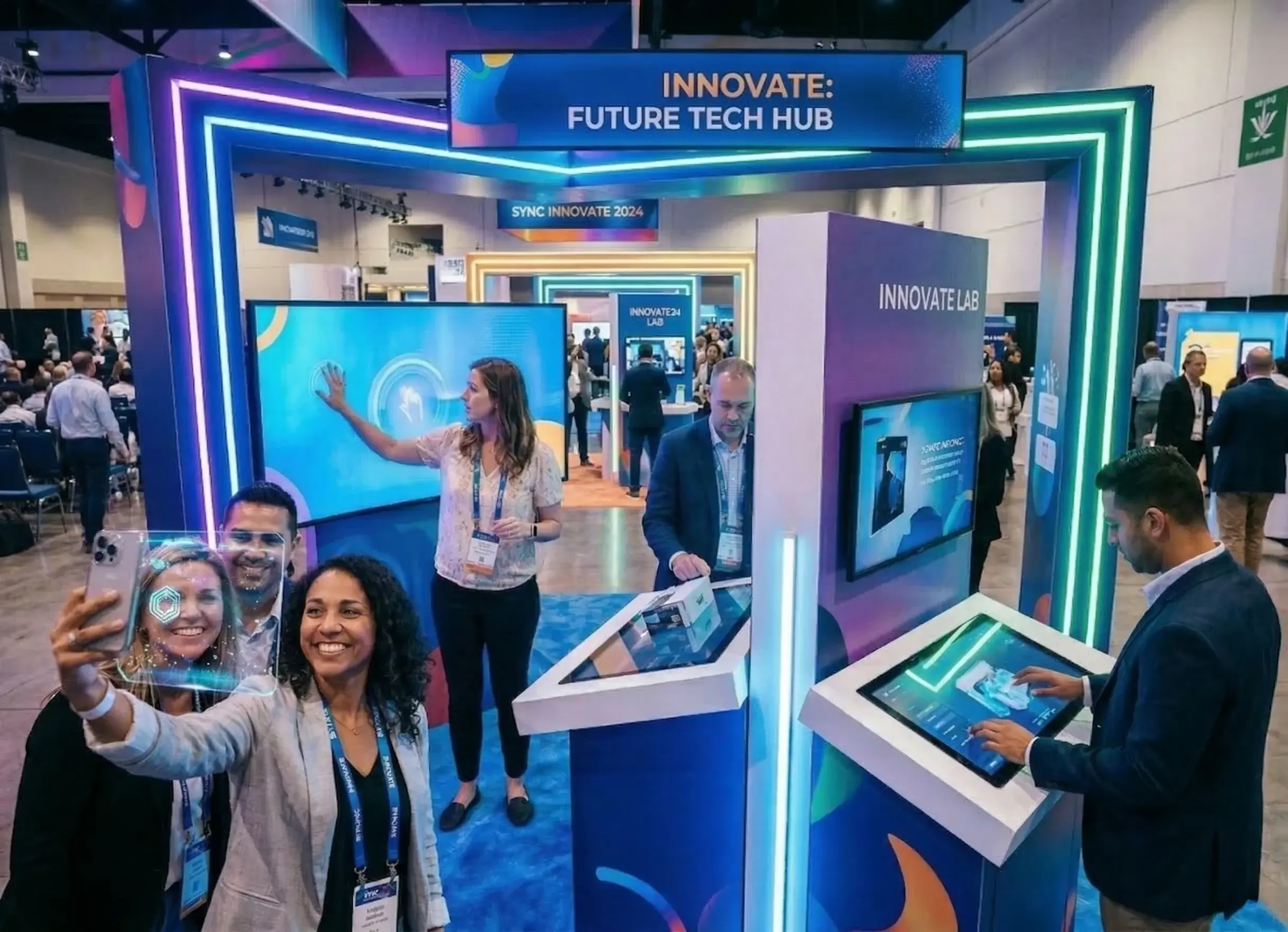
2. Experiential Brand Activations
Experiential marketing allows people to experience the brand physically and emotionally.
Examples include:
- interactive product displays
- immersive brand installations
- sensory brand experiences
A famous example is Coca-Cola’s experiential marketing campaign, where vending machines created surprise experiences for customers.
According to the Event Marketing Institute (USA, 2023), 74% of consumers say engaging with branded event experiences makes them more likely to buy the product.
3. Pop-Up Brand Experiences
Pop-up events create excitement because they feel exclusive and temporary.
Brands can host pop-up events in:
- malls
- cultural venues
- public spaces
These events often include:
- product trials
- creative installations
- live demonstrations
Pop-up experiences are widely used by fashion, technology, and lifestyle brands.
4. Immersive Product Launch Events
Product launches are no longer just stage presentations.
Today’s brands design immersive launch experiences where audiences interact directly with the product.
Examples include:
- interactive product demo stations
- live product storytelling
- experiential product zones
According to Statista (Global, 2024), product launch events generate up to 30% higher customer engagement compared to traditional marketing campaigns.
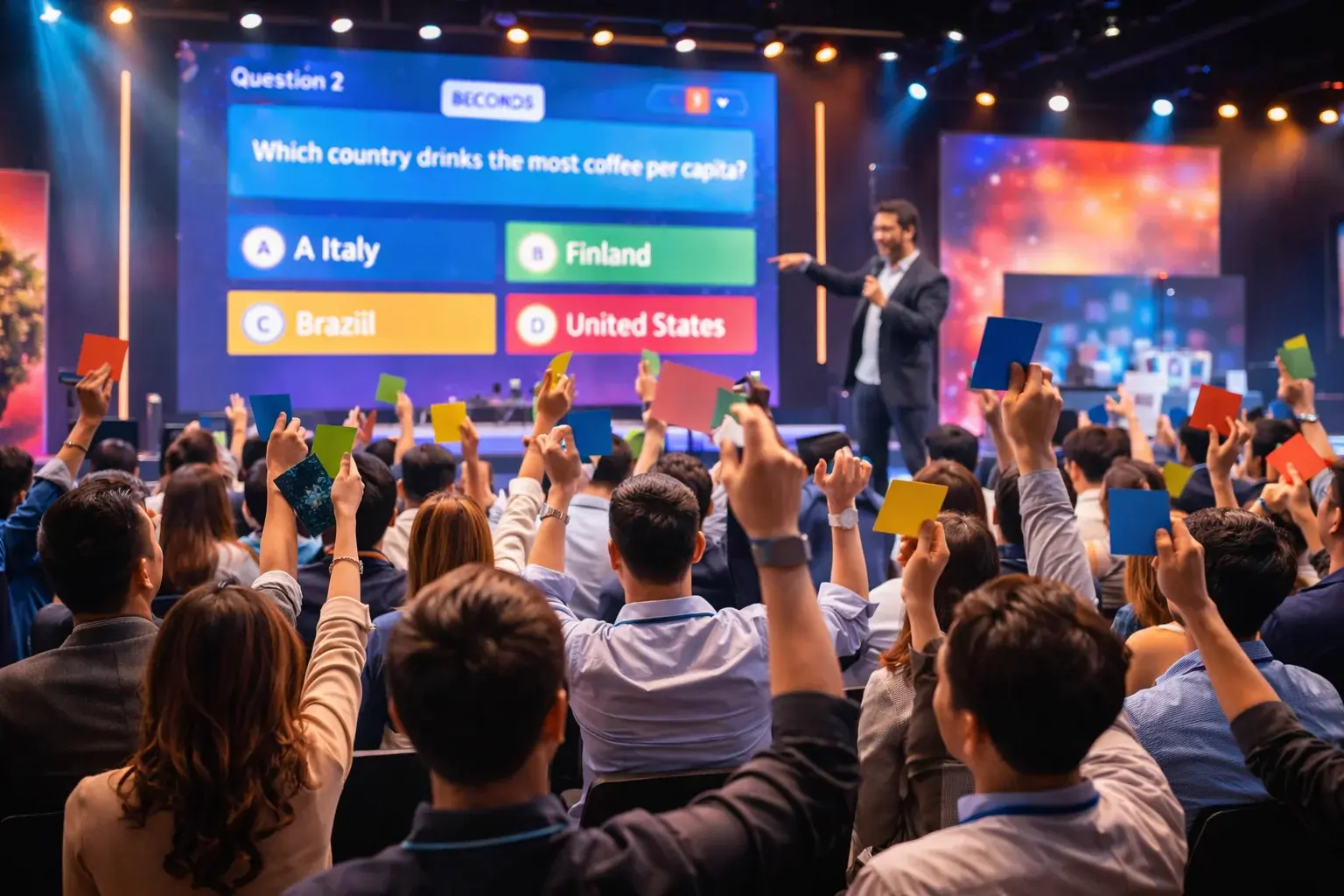
5. Gamified Brand Experiences
Gamification makes events fun and interactive.
Gamified event ideas include:
- brand-themed treasure hunts
- interactive challenges
- digital engagement games
Gamification increases audience participation and encourages social sharing.
Research from Zippia (USA, 2023) shows gamified experiences increase audience engagement by 48%.
6. Influencer-Led Community Events
Influencer events combine community engagement with digital reach.
Brands invite influencers or creators to host experiences such as:
- workshops
- discussions
- live demonstrations
These events generate organic visibility on social media.
According to Influencer Marketing Hub (Global, 2024), 89% of marketers say influencer collaborations generate better ROI than traditional marketing channels.
7. Themed Corporate Events
Themes make events more memorable and visually engaging.
Popular event themes include:
- cultural themes
- innovation themes
- storytelling themes
- future technology themes
Themed events help brands create a unique atmosphere and emotional connection.
8. Networking Experiences with Activities
Traditional networking events often feel awkward.
Creative networking formats include:
- networking games
- collaborative workshops
- problem-solving activities
These formats encourage meaningful conversations.
9. Hybrid Events (Online + Offline)
Hybrid events combine physical events with digital participation.
Examples include:
- livestream conferences
- virtual workshops
- interactive digital sessions
According to Global Meetings Industry Report (2024), 67% of event organisers now use hybrid formats to expand reach and accessibility.
10. Creative Community Events
Community-focused events build strong brand loyalty.
Examples include:
- knowledge workshops
- storytelling sessions
- public speaking programs
- cultural celebrations
These events allow brands to create long-term audience relationships rather than one-time interactions.
FAQs
Creative event ideas are unique concepts designed to make events more engaging, memorable, and interactive for audiences.
Creative events help brands capture attention, build emotional connections, and improve audience engagement.
Experiential marketing involves creating immersive experiences where audiences actively interact with the brand.
Companies can improve engagement by using storytelling, gamification, themed experiences, and interactive sessions.
Major trends include experiential marketing, hybrid events, influencer-led experiences, and interactive storytelling events.
Final Thoughts
The future of events is not just about organising gatherings.
It is about creating experiences that audiences remember and share.
Using creative event ideas helps brands stand out in a crowded market and build deeper emotional connections with their audience.
When events combine creativity, storytelling, and interaction, they transform from simple gatherings into powerful brand experiences.


Leave a Comment